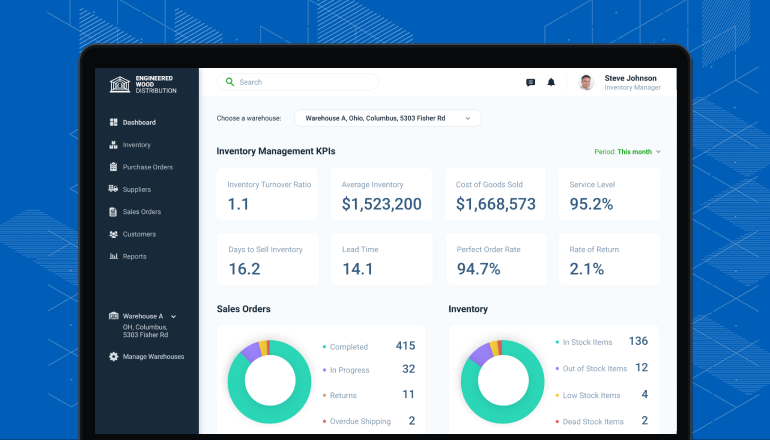
The world of e-commerce is moving fast. Every day, millions of orders are placed online, and customer expectations are higher than ever. People want quick deliveries, up-to-date stock information, and smooth service. Behind the scenes, this means businesses must manage their inventory with more speed and accuracy. But many e-commerce companies still use manual tools like spreadsheets or basic systems. These old methods struggle to keep up with today’s demands. Mistakes and delays can hurt sales and damage a brand’s reputation.
As supply chains grow more complex and product ranges expand, traditional ways of tracking stock are no longer enough. Automation is now transforming how e-commerce businesses handle inventory. In this article, we’ll look at the challenges of manual inventory management, explain what inventory management software automation means, and explore how platforms like Bizmation are changing the game. You’ll see why automated solutions are not just helpful—they’re essential for success in the modern e-commerce world.
Manual inventory management has been around for decades. At first, it seems simple: you count products, write down numbers, and update records when you sell or buy items. But as your e-commerce business grows, this approach becomes risky and inefficient. Let’s explore why.
Manual tracking depends on people entering data by hand. Even skilled workers can make errors—typing the wrong number, missing a sale, or forgetting to update stock after receiving new items. These small mistakes can add up fast. For example, if you accidentally record extra stock, you might sell products you don’t actually have.
This can lead to backorders, unhappy customers, and lost sales.
It’s not just about input errors. Misreading handwritten notes, accidentally duplicating entries, or missing an update during busy times can all lead to confusion. In high-volume periods like holiday sales or flash promotions, the risk of errors increases dramatically. One mistake can have a ripple effect—if one product’s count is off, you might reorder too soon, tie up money in excess stock, or discover shortages when it’s too late.
In some cases, an error made in one system (like your website inventory) might not be caught until it causes a failed order. This can damage trust with customers, especially if it happens more than once. Businesses using manual tools often spend extra time double-checking numbers, but even with careful checks, mistakes can slip through.
Updating spreadsheets or paper records takes time. Staff must check stock, compare orders, and make changes for every transaction. As your product range and order volume increase, the workload grows. This extra time could be better spent on marketing, customer service, or improving your online store.
Consider a business with 300 products and 30 orders a day. If it takes two minutes to update inventory per order, that’s an hour each day just on manual changes. Add returns, supplier shipments, and periodic stock counts, and soon inventory management takes up several hours every week.
During busy seasons, this workload can double or triple, pulling team members away from more strategic or customer-focused tasks.
Another hidden cost: manual tracking often requires checking physical stock to confirm numbers. This means stopping work, walking to storage areas, and counting items. For companies with multiple storage locations, this process becomes even slower and less accurate.
Manual systems often give you a slow or incomplete view of your inventory. It’s hard to know what’s in stock right now, what’s running low, or which products are selling fastest. You might discover out-of-stock problems only after a customer complains.
Without real-time data, making business decisions becomes a guessing game.
For example, you might not notice a top-selling item running low until you process an order and realize it’s unavailable. At that point, you have to disappoint the customer or rush to reorder, often at a higher price or with expedited shipping.
Without a clear view, you can’t plan ahead for busy periods, manage cash flow effectively, or know when to run promotions on slow-moving products.
If you manage sales across multiple platforms (like your website and a marketplace), manual tracking becomes even harder. You may need to cross-check each channel’s records, increasing the risk of missing important trends or running into stock mismatches.
When inventory is tracked by hand, it’s easier for items to go missing. This could be due to theft, damage, or simple misplacement. Manual methods make it hard to spot problems quickly, so losses can go unnoticed for months. For e-commerce, where margins are often tight, these losses can be costly.
Shrinkage may not only come from theft. It can be as simple as a box of products damaged during shipping and not recorded properly, or items moved to the wrong location in a storeroom. Manual tracking rarely includes checks for these issues, so your “official” count might show 100 units, but only 90 are truly available to sell.
Over time, repeated small losses add up. If you don’t have a way to quickly spot and investigate discrepancies, you might keep reordering stock you don’t actually need, or run out of items you thought were available.
As your business grows, manual processes become harder to manage. Adding new products or selling on multiple channels (like your website, marketplaces, and social media) means even more stock to track. Manual systems rarely scale well, and trying to keep up can lead to burnout or chaos.
If you expand your product line from 50 to 500 items, the number of records, updates, and checks multiplies. Every new sales channel adds another layer of work—separate spreadsheets, different formats, and extra reconciliation steps. Eventually, the system becomes unmanageable, and you risk making major mistakes that can hurt your reputation and bottom line.
Non-obvious insight: Many e-commerce owners don’t realize how much money is lost each year due to “invisible” manual errors—often thousands of dollars, even in small businesses. These mistakes are rarely caught until they cause a customer problem.
Another insight: Manual systems also make it difficult to analyze trends, such as which products are most profitable or which suppliers are reliable. This lack of insight can limit your ability to grow or adapt to changes in demand.
Inventory management software automation uses technology to handle the tasks that people used to do by hand. These systems track stock levels, orders, sales, and deliveries automatically, often in real time. Let’s break down what this really means.
Automated inventory management systems connect to your online store, suppliers, and warehouses. When a customer places an order, the system updates your stock count instantly. If you receive new products, the software logs them as soon as they arrive. Some platforms can even reorder products for you when stock runs low.
A typical automated system might include barcode scanning or RFID tags for receiving goods. When a product arrives, a quick scan updates the system without manual entry. If you sell on multiple platforms, the software pulls in orders from each one, adjusts inventory counts, and even updates your accounting records.
This all happens automatically, reducing the need for human intervention and lowering the risk of mistakes.
Automation also makes it easier to set rules. For example, you can tell the system to alert you if stock drops below a certain number, or to send a purchase order to your supplier when products reach a reorder point.
These rules keep your inventory moving smoothly, with less effort from your team.
Here are some features you’ll find in most inventory management automation tools:
Real-time tracking: See your stock levels at any moment, across all sales channels.
Automatic updates: No need to enter data by hand—sales, returns, and deliveries are updated instantly.
Order syncing: When you sell on different platforms (like Amazon, Shopify, or your website), all orders are combined in one place.
Low-stock alerts: Get notified when it’s time to reorder.
Reporting and analytics: Find out which products sell best, track trends, and make smarter decisions.
Advanced systems may also offer:
Demand forecasting: Using past sales data to predict future trends, so you can order the right amount of stock.
Batch and expiry tracking: Helpful for food or beauty products, where you need to monitor expiration dates.
Automated returns management: When a customer returns a product, the system updates stock and handles the refund process.
Supplier scorecards: Track which suppliers deliver on time and with accurate quantities, so you can make better purchasing decisions.
Automation removes many of the tasks that used to take hours each week. Staff can focus on growing the business, instead of chasing paperwork. The system reduces errors, saves time, and gives you reliable data to work with.
For example, instead of having an employee spend time every morning updating stock and chasing down errors, that person can now focus on customer service, marketing, or product development. This shift not only saves money on labor but also helps you get more value from each team member.
Automation also improves consistency. Processes happen the same way every time, so you don’t have to worry about mistakes when someone is sick, distracted, or new to the team.
Modern inventory management solutions can connect with accounting software, shipping platforms, and customer relationship management (CRM) tools. This means you can see all parts of your business working together.
For example, when an order is placed, the inventory system can update your accounting records, create a shipment in your courier’s system, and notify your customer of the delivery status. All these systems “talk” to each other, so you don’t have to enter the same information multiple times.
Integration also means better reporting. You can see your cash flow, sales, and inventory all in one place, making it easier to spot patterns and make decisions.
Imagine you sell shoes online. With automation, when someone buys a pair, your website, stockroom, and accounting system all update instantly. If you’re about to run out of a popular size, the system sends you a warning—or even places a new order automatically.
This reduces the risk of overselling and keeps customers happy.
Let’s look at another example: a cosmetics retailer sells across their website, Instagram shop, and Amazon. When a new product is added, it appears on all platforms. As orders come in, inventory is adjusted everywhere. If a customer returns an item through Amazon, the stock is updated for all channels. The owner can see which products are most popular, which channels drive the most sales, and which items need restocking—all from a single dashboard.
Many business owners think automation is only for large companies. In reality, even small e-commerce stores can benefit. Cloud-based systems have made it affordable and easy to set up, with no need for expensive hardware or IT teams.
Another important point: Automation can help you spot slow-moving products before they become a problem. The system highlights items that aren’t selling, so you can run promotions or reduce prices before stock takes up valuable space.
A less obvious benefit is how automation reduces “decision fatigue. ” When routine decisions (like when to reorder) happen automatically, you have more energy and focus for the big-picture strategies that help your business grow.

Modern e-commerce success depends on more than just tracking inventory. Automation can help streamline many parts of your business, giving you an edge over competitors who still rely on manual work. Here’s how.
Automated systems can handle orders from start to finish. When a customer buys an item, the order is sent to the warehouse, picking lists are created, and shipping labels are printed—all without human intervention. This speeds up delivery and reduces errors.
Some systems even connect directly to third-party logistics (3PL) providers, so orders are sent straight to the warehouse for packing and shipping. This reduces the time between order and delivery, which is crucial for customer satisfaction.
Automated order processing also means you can handle higher volumes without hiring more staff. If you run a flash sale or get a sudden spike in orders, the system scales with you.
With automation, customers receive instant updates about their orders. Tracking numbers are sent automatically, and estimated delivery dates are shared as soon as an order is shipped. Fast, accurate communication builds trust and keeps shoppers coming back.
Some automation tools also integrate with chatbots or email responders, so common questions (like “Where is my order? ”) are answered automatically. This reduces the workload for your support team and keeps customers informed.
For returns, automation can send customers pre-filled return labels and process refunds quickly. This level of service can turn a potentially negative experience into a positive one, making customers more likely to shop again.
Most e-commerce businesses sell on more than one platform. Automation tools can sync inventory and orders across all channels—your website, Amazon, eBay, social media stores, and more. This means you won’t accidentally sell the same item twice, and you can manage everything from one dashboard.
Managing multiple channels manually is almost impossible once you reach a certain size. Automation ensures that when a sale is made on one platform, all others are updated instantly. This prevents overselling and helps you offer a consistent customer experience everywhere you sell.
Automation makes it easier to collect and use data about your customers and products. For example, you can see which items are most popular in certain seasons, or which marketing campaigns lead to the most sales. This helps you plan promotions and target the right audience.
Advanced systems can segment your customers based on purchase behavior, allowing you to send personalized offers, follow-up emails, or loyalty rewards. This targeted approach increases the effectiveness of your marketing and boosts repeat sales.
You can also track which channels or campaigns bring in the highest profit, helping you focus your budget where it matters most.
Automated systems can track supplier performance and generate purchase orders when stock is low. Some platforms even compare prices between suppliers, helping you save money.
With automation, you can set minimum stock levels for each product. When inventory drops below that point, the system creates a purchase order and sends it to the supplier, sometimes with no manual input. You can also track which suppliers deliver on time, which consistently have errors, and which offer the best prices.
This data helps you negotiate better deals, find more reliable partners, and keep your inventory moving efficiently.
Handling returns is a big part of e-commerce. Automation can make the process smoother by updating stock levels, issuing refunds, and notifying staff automatically when a return is received.
You can set rules for different types of returns—like restocking undamaged items or flagging products for inspection if they’re returned as faulty. This keeps your inventory accurate and helps you spot patterns in returns that might point to product or supplier issues.
E-commerce businesses must follow rules about taxes, safety, and product tracking. Automated systems can generate the reports you need, reducing the risk of fines or mistakes.
For example, in some countries, you need to track which batch or lot a product came from, in case of a recall. Automation makes it easy to pull these records instantly. Tax reports can be generated with a click, saving hours of work and reducing the risk of errors.
A mid-size online electronics store uses automation to manage 10,000 products across five sales channels. With manual systems, it took six staff members to handle inventory and orders. After switching to automation, only two people are needed, and order errors dropped by 80%.
Sales increased because customers could always see what was in stock.
Another example: a beauty retailer uses automation to track expiry dates and batch numbers. When a recall happens, they know exactly which customers bought affected items, allowing them to respond quickly and protect their reputation.
Some owners worry that automation will make their business less personal. In fact, by automating routine tasks, you have more time to focus on customer relationships, creative marketing, and growth.
Another advantage: Automation makes it much easier to expand into new markets or add sales channels. You’re not limited by manual processes, so scaling up is smoother and faster.
With so many automation tools on the market, it’s important to choose a partner you can trust. Bizmation has earned a strong reputation for making inventory and e-commerce automation simple, reliable, and affordable.
Bizmation is a software company focused on helping e-commerce businesses automate their inventory management, order processing, and other key operations. Their platform is designed for both small shops and larger online stores.
Bizmation’s team has deep experience in e-commerce and logistics. They’ve built their platform to solve the real problems that online sellers face every day—not just tracking stock, but managing orders, suppliers, and customer communication.
User-friendly design: Bizmation’s dashboard is clear and easy to use, even for people who are new to automation.
Customizable workflows: You can set up rules and processes that match your exact business needs.
Strong integrations: Bizmation connects with popular e-commerce platforms, shipping providers, and accounting tools.
Cloud-based: Access your inventory and orders from anywhere, with no need for expensive servers or IT support.
Affordable plans: Bizmation offers free and paid versions, so you can start small and upgrade as you grow.
Bizmation also allows multi-language support, making it easier for non-English speaking users to operate the system. This is important for international businesses or teams with global staff.
Bizmation provides strong customer support, including step-by-step guides, video tutorials, and a responsive help team. This makes it easier for businesses to switch from manual systems or other software platforms.
Their support team is available 24/7, so you can get help whenever you need it—whether you’re setting up your first workflow or troubleshooting an unusual problem. Bizmation also regularly updates its platform with new features based on user feedback, ensuring that you always have the latest tools.
A boutique clothing store uses Bizmation to sync stock across its website and two marketplace stores. Out-of-stock problems have disappeared, and order processing time is down by 50%.
A growing electronics brand uses Bizmation’s analytics to spot top-selling products and reorder automatically, avoiding missed sales.
Another example: a food retailer uses Bizmation to manage batch tracking and expiry dates. When a product nears its expiration, the system triggers a promotion to move the stock faster, reducing waste and increasing profits.
Bizmation’s automation tools are not just for inventory. The platform includes features like automated billing, customer notifications, and supplier management. This makes it a complete solution for e-commerce businesses.
Another point: Bizmation’s cloud-based system means your data is backed up and secure, reducing the risk of losing information due to hardware failures or accidents.
A less obvious benefit is Bizmation’s open API, which allows for custom integrations with other business tools. This means you can tailor the system to your unique needs as you grow.
Selecting the right automation platform can transform your e-commerce business. Bizmation offers several advantages that help you save time, reduce costs, and grow your sales.
With Bizmation, you always know your current stock levels. The system updates inventory in real time, so you can avoid overselling and backorders. This leads to happier customers and fewer complaints.
Real-time data also helps you make smarter purchasing decisions. You can see exactly when stock is running low, which products are selling fast, and which items aren’t moving. This reduces wasted inventory and frees up cash for other investments.
Bizmation connects with leading e-commerce platforms like Shopify, WooCommerce, Amazon, and eBay. You can manage all your orders, products, and customers in one place. This saves hours each week and reduces the risk of errors.
With multi-channel integration, you don’t need to manually update inventory for each platform. When you sell an item on your website, the stock is updated everywhere instantly. This feature is especially valuable during high-traffic events, like Black Friday, when sales happen quickly across multiple channels.
When stock runs low, Bizmation can create and send purchase orders to your suppliers automatically. You’ll never run out of best-selling products, and you won’t waste money on overstock.
Automated reordering also means you can set custom rules for different suppliers or products. For example, you might want to order more frequently from a local supplier with short lead times, or less often from an overseas supplier with longer shipping windows.
Bizmation’s dashboards show you which products are selling well, where your profits come from, and how your sales are trending over time. This data helps you plan better promotions and make smarter decisions.
You can also break down performance by sales channel, region, or time period. This allows for precise adjustments—such as increasing marketing for a specific product in a certain region during peak seasons.
You can set up rules to automate repetitive tasks—like sending customer emails, updating order statuses, or assigning tasks to staff. This makes your business more efficient and allows you to focus on growth.
For instance, you can create a workflow that automatically notifies your warehouse team when a high-priority order comes in, or sends follow-up emails to customers who haven’t purchased in a while.
Automated processes reduce mistakes from manual data entry. This means fewer problems with orders, shipping, and stock levels.
Accurate inventory also helps prevent costly mistakes like double-selling, shipping wrong items, or missing out on sales due to stockouts.
Bizmation grows with your business. Whether you sell 100 or 100,000 items, the platform can handle your needs. You can add new sales channels, warehouses, or product lines without extra effort.
Scalability means you don’t need to switch platforms as you grow. Bizmation’s flexible design supports everything from small stores to large, multi-location businesses.
Fast order processing, accurate stock information, and smooth returns make shopping easier for your customers. Happy shoppers are more likely to buy again and recommend your store.
Automated customer notifications keep buyers informed at every step, from order confirmation to shipping and delivery. This transparency builds trust and loyalty.
Your data is stored safely in the cloud. You can access it from any device, and Bizmation handles backups and security.
Cloud storage also means your team can work from anywhere—at home, in the office, or on the road. This flexibility is important for modern businesses.
By reducing manual work and errors, Bizmation helps you save money on staffing and lost sales. You can use those resources to invest in marketing or expanding your product range.
Automated systems also reduce the need for expensive emergency fixes, like last-minute shipping or refunds due to mistakes. Over time, these savings add up.
Bizmation’s analytics can help you spot seasonal trends, so you can stock up on popular items before demand spikes.
The platform’s automation features can help you win more business customers by offering reliable, on-time delivery and accurate stock information.
Automated compliance reporting can simplify audits and reduce the risk of fines.
Bizmation is more than just an inventory tool. It’s a growth partner for e-commerce businesses. Here’s how Bizmation supports your expansion and long-term success.
By automating routine tasks, Bizmation frees up your team to focus on strategy, marketing, and customer service. This leads to faster order fulfillment, fewer mistakes, and more time for high-value work.
For example, instead of spending time on manual stock checks or order entry, your team can build relationships with suppliers, develop new products, or run creative marketing campaigns.
With detailed analytics and reporting, Bizmation gives you insights into what’s working—and what isn’t. You can track product performance, supplier reliability, and sales trends. This helps you plan inventory, set prices, and target promotions more effectively.
Having access to real-time data also allows you to react quickly to changes. If a product suddenly spikes in popularity, you can reorder fast and avoid missing out on sales. If a supplier’s deliveries become unreliable, you can switch before it causes problems.
Expanding to new sales channels can be risky if you don’t have the right tools. Bizmation makes it easy to sell on multiple platforms without losing track of stock or orders. You can add new channels with confidence.
Multi-channel growth is one of the fastest ways to reach new customers, but only if you can manage inventory and orders efficiently. Bizmation’s central dashboard gives you full control, no matter how many platforms you use.
Automated purchasing and order tracking help you build stronger partnerships with suppliers. You can see which suppliers deliver on time, negotiate better prices, and avoid stockouts.
Bizmation’s supplier scorecards and order history reports make it easy to review performance and communicate with partners. This helps you build a reliable supply chain that supports your growth.
Fast, error-free order processing and reliable stock information make a big difference to customers. Bizmation’s automation ensures that shoppers get what they ordered, when they expect it. This builds trust and repeat business.
Automated follow-ups and personalized offers can also help turn one-time buyers into loyal fans. Bizmation’s marketing tools make it easy to stay connected with your best customers.
E-commerce is always changing. Bizmation’s flexible platform lets you adapt quickly—whether you need to add new products, respond to trends, or handle a surge in orders.
For example, if a new social media channel becomes popular, you can add it as a sales platform without reworking your entire process. If regulations change, Bizmation’s reporting tools help you stay compliant.
A pet supplies retailer doubled its sales in one year after switching to Bizmation. Automation allowed them to launch on two new marketplaces, without hiring extra staff.
An online toy store used Bizmation’s reports to identify slow-moving stock and ran targeted discounts, turning dead inventory into cash flow.
Another example: a kitchenware company used Bizmation’s automated purchasing to cut supplier lead times in half. This meant they could respond faster to trends and avoid missing out on hot products.
Bizmation’s workflow automation can help with compliance tasks, such as generating tax reports or tracking product recalls.
The platform’s open API (application programming interface) means you can connect it to other business tools for custom solutions as you grow.
Automation reduces staff burnout by removing repetitive tasks, leading to a happier, more productive team.
It’s helpful to see the difference between manual and automated systems in action. Here’s a comparison of key factors:
|
Factor |
Manual Management |
Automated Management (Bizmation) |
|---|---|---|
|
Inventory Accuracy |
70-85% |
98-99% |
|
Time Spent on Updates |
10-20 hours/week |
1-2 hours/week |
|
Order Processing Errors |
2-5% of orders |
<0.5% of orders |
|
Scalability |
Low |
High |
|
Cost of Stockouts |
High |
Low |
Manual systems also lead to more frequent stockouts and overstocks, both of which can have a direct impact on cash flow and customer satisfaction. Automated systems reduce these risks, improving both profitability and customer retention.
Choosing the right tool matters. Here’s how Bizmation stands out compared to typical competitors:
|
Feature |
Bizmation |
Typical Competitor |
|---|---|---|
|
Free Plan |
Yes |
Limited/No |
|
Custom Workflows |
Yes |
Partial |
|
Multi-Channel Integration |
Full |
Partial |
|
Cloud Access |
Yes |
Yes |
|
Open API |
Yes |
No/Partial |
|
Customer Support |
24/7 |
Limited |
Bizmation also offers more frequent updates and listens closely to user feedback, introducing features that real businesses need.
To show how Bizmation can transform daily operations, here’s a typical automated workflow for an e-commerce retailer:
Order Received: A customer places an order on your website.
Automatic Inventory Update: Bizmation reduces stock for the sold item.
Order Sync: The order appears in your dashboard, along with orders from other channels.
Pick and Pack: A picking list is created for your warehouse staff.
Shipping Label: The system generates and prints a shipping label.
Customer Notification: The customer receives an email with tracking information.
Order Status Update: The order status changes to “Shipped” automatically.
Reorder Alert: If inventory drops below your set level, Bizmation sends a purchase order to your supplier.
Reporting: End-of-day sales and stock reports are generated for your review.
Non-obvious benefit: This workflow happens with almost no manual input. Staff only step in when exceptions or problems arise, freeing up time for more valuable work.
Another subtle advantage: Because every step is tracked and timestamped, you have a full audit trail for every order. This is invaluable if you ever need to investigate issues or prove compliance in an audit.
E-commerce is expected to keep growing fast. By 2027, online retail sales worldwide could reach over $8 trillion. As competition increases, automation will become even more important.
AI and Machine Learning: Future platforms will use artificial intelligence to predict demand, manage pricing, and optimize stock levels.
Deeper Integrations: Expect more automation between sales, inventory, marketing, and shipping tools.
Personalization: Automated systems will help create more personalized shopping experiences, from recommendations to tailored promotions.
Sustainability: Automation will help reduce waste by managing stock more efficiently and supporting eco-friendly supply chains.
Another trend is the rise of mobile-first management. More business owners want to check inventory, approve orders, or update workflows from their phones. Bizmation and other leading platforms are investing in mobile apps and responsive design to support this shift.
Non-obvious insight: Early adopters of automation gain more than just efficiency—they build more resilient businesses that can survive market shocks and adapt to new trends.
If you’re ready to modernize your e-commerce operations, getting started with Bizmation is simple. Here’s what to expect:
Sign Up: Create a free account on the Bizmation website.
Connect Your Store: Link your sales channels and import your products.
Set Up Workflows: Customize automation rules for orders, stock, and notifications.
Integrate Tools: Connect with shipping, accounting, and marketing software.
Go Live: Start processing orders and tracking inventory automatically.
Monitor and Adjust: Use analytics to fine-tune your processes and grow your business.
Bizmation’s support team is available to help you every step of the way.
A practical tip: Start with your highest-volume products and most important sales channels first. This helps you see quick wins and build confidence with automation before rolling it out across your entire business.
Many business owners ask, “When should I invest in automation?” The answer: as soon as you start feeling the pain of manual processes. This might be:
Spending hours each week updating spreadsheets
Losing sales due to out-of-stock products
Making frequent errors in order processing
Struggling to manage multiple sales channels
Planning to scale up your business
Some businesses wait until they’re overwhelmed, but switching earlier can prevent costly mistakes and give you a competitive edge.
Automation isn’t just for big companies. Even small stores can benefit from Bizmation’s free plan and scale up as they grow.
To get the best results from Bizmation:
Regularly review analytics: Use data to spot trends and fix problems early.
Train your team: Make sure staff know how to use the system and follow best practices.
Set clear automation rules: Start simple, then add more advanced workflows as you gain confidence.
Integrate your tools: Connect all parts of your business for a seamless workflow.
Stay updated: Take advantage of new features and updates from Bizmation.
It’s also smart to schedule regular system check-ins—once a month, review your workflows and reports to ensure everything is running smoothly and you’re getting the full benefit of automation.
Even with the best tools, mistakes can happen. Here are a few to watch for:
Not keeping product data clean: Make sure SKUs, descriptions, and prices are correct and up to date.
Ignoring alerts: Respond quickly to low-stock or error warnings.
Overcomplicating workflows: Start with simple automation. Complex rules can cause confusion if not managed well.
Failing to review reports: Regular checks help you catch issues before they grow.
Delaying staff training: Team members need to understand the new system to use it effectively.
A common error is failing to update supplier information or reorder rules as your business changes. Regularly review these settings to keep your automation accurate.
Businesses that switch to Bizmation often see big improvements within months:
|
Metric |
Before Bizmation |
After Bizmation |
|---|---|---|
|
Order Processing Time |
2-3 days |
Same day |
|
Order Errors |
3% of orders |
0.3% of orders |
|
Stockouts per Month |
10-20 |
0-2 |
|
Manual Hours per Week |
15-20 |
2-4 |
|
Customer Complaints |
Frequent |
Rare |
Some businesses also report higher staff satisfaction and lower turnover, as automation removes the frustration of repetitive, error-prone tasks.
Today’s market is fierce. Customers expect fast shipping, accurate stock levels, and great service. Manual processes can’t keep up—and businesses that don’t automate are likely to fall behind. Platforms like Bizmation aren’t just a “nice to have. ” They’re critical for staying competitive.
Automation brings:
Efficiency: Do more with less staff and time.
Accuracy: Reduce costly mistakes.
Scalability: Grow without chaos.
Insight: Make decisions based on real data.
And most important, automation lets you focus on what matters—growing your business and serving your customers.
If you want to see how automation is shaping the future of e-commerce, check out this overview from Shopify.

Inventory management software automation is a system that uses technology to track, update, and manage your stock, orders, and deliveries automatically. This reduces manual work and errors, and helps you keep up with fast-moving e-commerce sales.
Bizmation automates inventory tracking, order processing, and supplier management. It integrates with your sales channels and provides real-time data, making it easier to avoid stockouts, process orders quickly, and grow your business.
Yes, Bizmation offers a free plan and is designed for both small and large e-commerce stores. You can start with basic automation and add features as your business grows.
Bizmation connects with popular e-commerce platforms, shipping providers, and accounting software. It also offers an open API for custom integrations.
Manual systems are slow, error-prone, and hard to scale. Risks include lost sales, unhappy customers, high labor costs, and poor visibility into your business. Automation like Bizmation solves these problems and helps you stay competitive.
The rise of automation is changing e-commerce for the better. Businesses that use tools like Bizmation are faster, more efficient, and ready for growth. If you want to build a smarter, more scalable operation, now is the time to make the switch.